1 min read
2022 Phishing Scams: The 2 Latest Ways That Your Company is at Risk of Being Phished
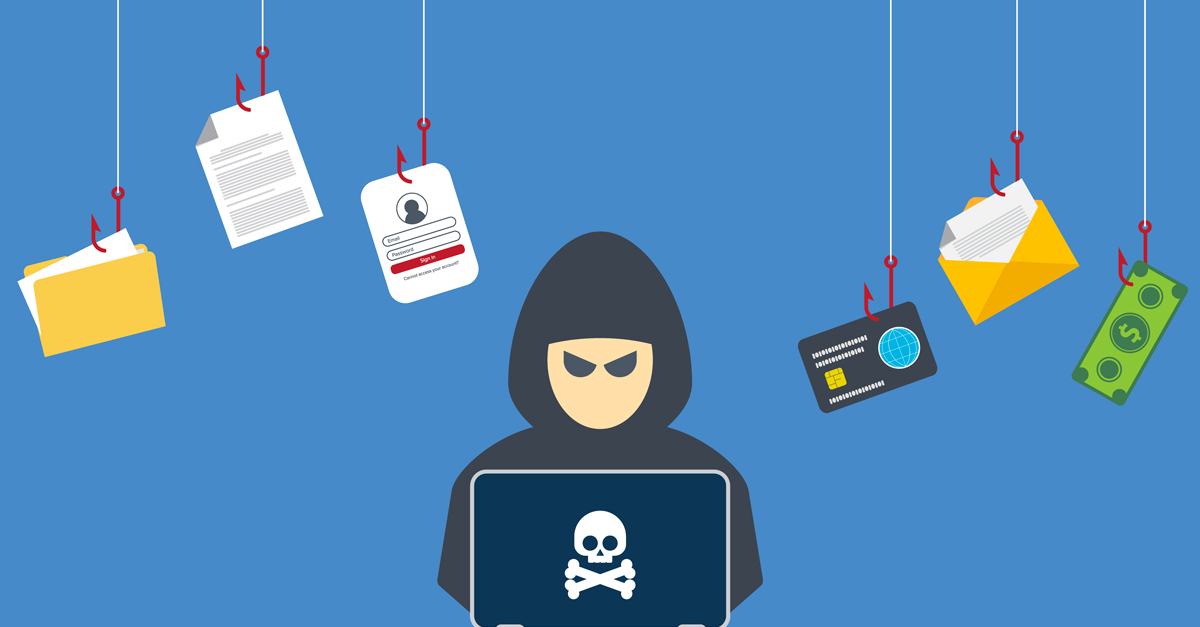
2022 is trending in exponential and upward growth in phishing scams. According to the Agari and Phish Labs Quarterly Threat Trends &...
3 min read
%20-%202026-04-29T131920.451.png)
Most businesses don’t start out looking for managed IT.
At the beginning, technology is simple enough to handle as needed. A few devices, a handful of tools, maybe an outside technician you call when something breaks. It feels manageable.
But over time, things change.
Your team grows. Systems become more important. Security concerns start to feel more real. Small issues take longer to fix and have a bigger impact when they do.
That is usually when the question comes up.
“Do we need something more than this?”
To answer that, it helps to first understand what managed IT actually is, and what it is not.
Managed IT is not just outsourced support.
It is an ongoing partnership where a dedicated team takes responsibility for maintaining, supporting, and improving your entire technology environment.
Instead of waiting for problems, your systems are actively monitored and maintained. Updates are handled consistently. Risks are identified early. Your team has support when they need it, without scrambling to find help.
It is a shift from reacting to issues to preventing them.
From your perspective, it means fewer interruptions, more stability, and a clearer sense of how your technology is being managed.
Managed IT often works quietly in the background, which is exactly the point.
Your systems are kept up to date without disrupting your team. Performance is monitored so slowdowns can be addressed early. Security is managed as part of the overall environment, not as a separate task.
When your team runs into an issue, they have a clear place to go for help. That support is already familiar with your setup, so problems are resolved with less back and forth.
There is also a layer of planning that many businesses do not have on their own. Instead of making decisions in the moment, you have guidance that helps align your technology with where your business is heading.
Not every business needs managed IT right away. But there are clear signs that the current approach is no longer enough.
One of the most common is recurring issues. If the same problems keep coming back, it usually means there is no consistent process behind how your systems are being maintained.
Another sign is growing downtime. As your business becomes more dependent on technology, even small disruptions can slow down your team and affect your customers.
Security concerns are also a major factor. If you are unsure how well your business is protected or what would happen in the event of an issue, that uncertainty can quickly become a risk.
You may also notice that decisions around technology feel unclear. You are not sure when to upgrade, what to invest in, or how to plan for growth.
These are all indicators that a more structured approach could make a meaningful difference.
The right time to move to managed IT is not based on a specific size or number of employees.
It usually comes down to complexity and impact.
When your technology starts playing a critical role in daily operations, the cost of downtime increases. When your team relies on multiple systems to do their work, consistency becomes more important. When your business is growing, planning ahead becomes necessary.
At that point, continuing to manage IT reactively can start to hold you back.
Managed IT provides the structure needed to support that next stage of growth.
%20-%202026-04-29T132110.453.png?width=1280&height=720&name=Featured%20Image%20Size%20(1280%20x%20720%20px)%20-%202026-04-29T132110.453.png) What Changes After You Make the Shift
What Changes After You Make the ShiftThe difference is not always dramatic at first, but it is noticeable.
Your team spends less time dealing with technical issues. Problems are addressed earlier and with less disruption. You gain a clearer understanding of your environment and what is being done to maintain it.
Over time, that consistency builds confidence.
You are no longer wondering if your systems are being looked after. You are no longer reacting to every issue as it comes up. You have a plan, and you have a partner helping you carry it forward.
Managed IT is not about adding more technology or complexity.
It is about creating a stable, well-managed environment that allows your business to operate without unnecessary friction.
For some businesses, that shift happens early. For others, it comes after experiencing the limits of a reactive approach.
If you are starting to see the signs, it may be worth exploring what a more structured model could look like.
Schedule a consultation with our team to discuss your IT needs and discover tailored solutions for your business.
1 min read
2022 is trending in exponential and upward growth in phishing scams. According to the Agari and Phish Labs Quarterly Threat Trends &...

3 min read
Technology budgeting has a strange way of sneaking up on organizations. One moment you’re closing out Q4 thinking everything is...

1 min read
You know that feeling when you hit the gas pedal but your car barely moves? That’s what tech debt does to your business. On the surface, everything...