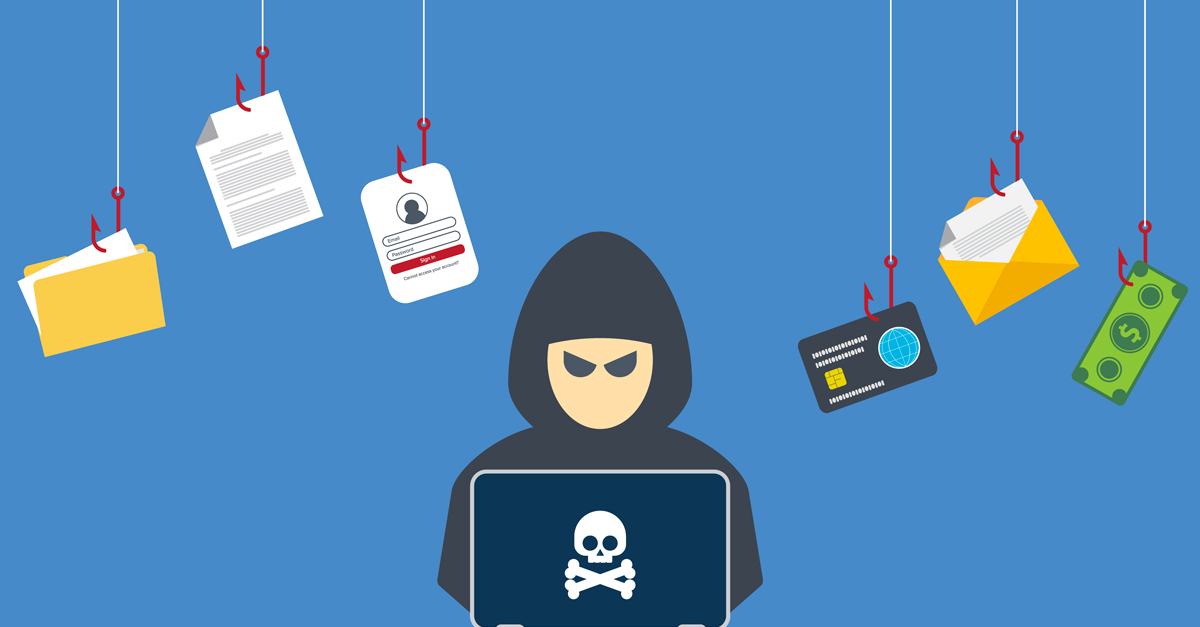
In today’s digital landscape, cyber threats are everywhere—and they’re only getting more sophisticated. But here’s the reality most businesses overlook:
Your strongest defense isn’t just technology. It’s your people.
Building a culture of security awareness transforms your team from a potential vulnerability into your first line of defense. And it doesn’t happen by accident—it requires intention, consistency, and leadership.
Let’s break down the five key areas every organization must focus on to build a truly security-aware culture.
1. Leadership Sets the Tone
Security awareness doesn’t start in IT—it starts at the top.
When leadership actively prioritizes cybersecurity, it sends a clear message across the organization: this matters. Executives and managers must model good security habits, communicate expectations, and invest in the resources needed to support a secure environment.
Without leadership buy-in, even the best security initiatives struggle to gain traction.
2. Clear, Practical Policies (Not Overwhelming Ones)
Policies are essential—but only if people actually understand and follow them.
Too often, organizations create overly complex security policies that employees ignore or misunderstand. Instead, focus on making policies:
- Clear and easy to follow
- Relevant to real-world scenarios
- Accessible to all employees
From password management to remote work guidelines, your policies should empower—not confuse—your team.
3. Training That Actually Sticks
Cybersecurity training shouldn’t feel like a checkbox exercise.
The most effective programs use real-world scenarios to help employees recognize threats like phishing, social engineering, and malware before they cause damage.
Strong training programs should be:
- Ongoing (not one-and-done)
- Role-specific where needed
- Interactive and engaging
The goal isn’t perfection—it’s awareness and quick, informed decision-making.
4. Consistent Communication & Engagement
Security awareness isn’t a one-time announcement—it’s an ongoing conversation.
Organizations that succeed here keep cybersecurity top-of-mind through:
- Regular updates and reminders
- Internal newsletters or quick tips
- Simulated phishing tests
- Recognition or rewards for good security behavior
Even more importantly, they listen. Gathering employee feedback helps refine your approach and keeps your program relevant.
5. Measure, Adapt, Improve
You can’t improve what you don’t measure.
Tracking the effectiveness of your security awareness efforts helps you identify gaps before attackers do. This might include:
- Training completion rates
- Phishing simulation results
- Employee feedback and surveys
- Internal security audits
The key is using this data to continuously evolve your strategy. Cyber threats change—and your approach should too.
Final Thoughts: Security Is a Culture, Not a Tool
Building a security-aware culture isn’t a one-time project—it’s an ongoing commitment.
When leadership is engaged, policies are clear, training is effective, and communication is consistent, your organization becomes significantly more resilient to cyber threats.
And the payoff is huge: fewer incidents, faster response times, and a team that actively protects your business every day.
Ready to turn your team into your strongest line of defense?
Schedule a conversation with our cybersecurity experts today and start building a smarter, safer organization.